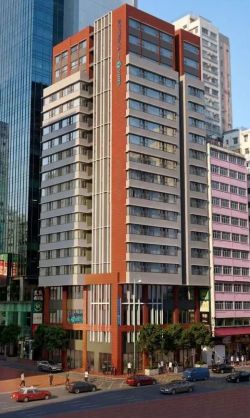
BUILDING.HK EXCLUSIVE SERIES | PART 2
Early conversion projects and planning proposals reveal how Hong Kong's purpose-built student accommodation sector is beginning to take shape
Following the Hong Kong SAR Government's introduction of measures to facilitate the conversion of hotels into Purpose-Built Student Accommodation (PBSA), market attention has shifted from policy discussion to project implementation.
Although the sector remains at an early stage of development, a number of hotel owners, developers and institutional investors have begun evaluating conversion opportunities. Compared with mature PBSA markets in the United Kingdom and Australia, Hong Kong's pipeline is still modest, but industry observers believe the first wave of projects will establish important benchmarks for future developments.
Unlike conventional residential projects, PBSA schemes are driven not only by investment returns but also by the Government's ambition to expand Hong Kong's position as an international education hub. As universities increase their intake of Mainland and overseas students, professionally managed student accommodation is expected to become an increasingly important component of the city's housing supply.
Early Movers Establish Market Benchmarks
Most of the projects currently known to the public involve the adaptive reuse of existing hotels rather than new-build developments.
Hotel conversion offers several advantages. Existing room layouts generally require fewer structural alterations than office or industrial buildings, while locations close to Mass Transit Railway (MTR) stations make many hotels attractive for student accommodation.
Developers are also able to reduce construction waste and shorten delivery programmes compared with complete redevelopment.
Industry consultants expect these advantages to encourage more owners of ageing hotels to explore conversion opportunities over the next few years.
Why Urban Hotels Are Favoured
Industry analysis suggests several districts are likely to attract the greatest interest from investors.
Tsim Sha Tsui and Jordan offer excellent public transport connections and are within convenient travelling distance of several tertiary institutions.
Hung Hom benefits from its proximity to The Hong Kong Polytechnic University and extensive railway connectivity.
Mong Kok and Prince Edward provide relatively affordable accommodation options while maintaining convenient access to university campuses.
On Hong Kong Island, Sai Ying Pun, Sheung Wan and North Point are also considered suitable because of their established hotel stock and efficient transport networks.
These locations already possess many of the characteristics required for successful PBSA developments, including retail amenities, food and beverage outlets, medical services and public transport.
What Developers Are Looking For
Not every hotel can be converted successfully. Developers typically assess several key criteria before proceeding with a project, including:
- Building age and structural condition.
- Floor plate efficiency and room configuration.
- Fire safety and means of escape.
- Lift capacity and accessibility.
- Mechanical and electrical systems.
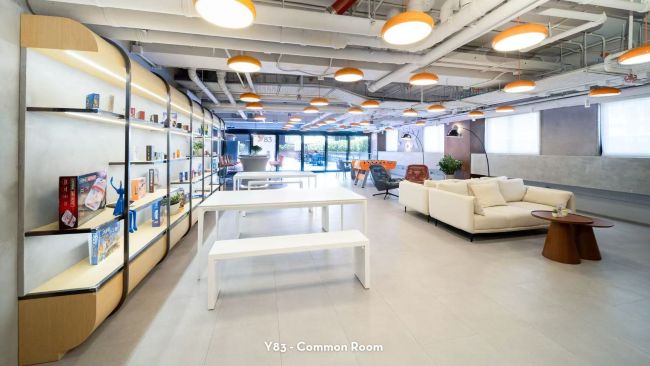
- Availability of communal facilities.
- Walking distance to MTR stations.
- Travel time to universities.
Properties that satisfy these requirements are generally more attractive because they require fewer alterations and lower capital expenditure.
The Emerging Pipeline
Property consultants believe Hong Kong possesses a substantial inventory of hotels that could potentially be repositioned over the medium term.
Much will depend on market conditions, student demand and the success of the first completed conversions. If early projects demonstrate strong occupancy and stable investment returns, more owners are expected to evaluate similar opportunities.
Institutional investors are also monitoring the sector closely. In overseas markets, PBSA has evolved into a specialised asset class supported by experienced operators, long-term capital and professional management. Hong Kong may follow a similar trajectory as the market matures.
More Than Student Housing
The emergence of PBSA also reflects a broader trend within Hong Kong's property market: adaptive reuse.
Rather than demolishing ageing buildings, developers are increasingly examining how existing assets can be repositioned to meet changing economic and social needs. Hotel-to-PBSA conversion aligns with this approach by extending building life cycles, reducing embodied carbon and providing accommodation that supports the city's education strategy.
As more projects proceed through planning and construction, the market will gain valuable benchmarks on design, operational management and investment performance.
For developers, hotel owners and institutional investors, the first wave of PBSA projects is likely to shape the future direction of this emerging sector. (Reported by Building.hk)