|
|||
| Industry News | <Search <Archives <eBulletin Next> | ||

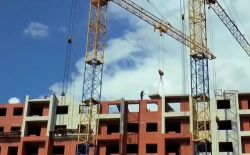
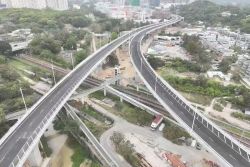
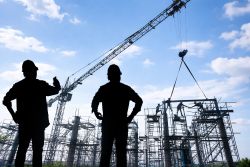
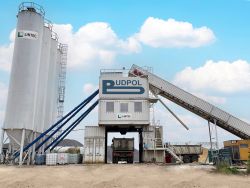
May 14, 2026 Philippines Building Materials Production Industry Update 2026  < Main Page < Main PageInfrastructure Expansion, Industrial Growth, and Sustainable Construction Create Long-Term Opportunities for Foreign Investors Strong Growth Driven by Infrastructure and Urban Development The Philippine building materials production industry is entering a new growth phase driven by infrastructure expansion, urbanization, industrial investment, and housing demand. For foreign investors, the sector offers opportunities across cement, steel, aggregates, prefabricated materials, green construction products, and industrial logistics. The Philippine construction and building materials market remains one of the largest industrial segments in Southeast Asia. Industry estimates place the market size at nearly USD 28 billion in 2025, with projected steady growth through the next decade. Demand is being supported by the government’s “Build Better More” infrastructure program, which includes railways, airports, roads, bridges, flood control systems, and public housing projects. The strongest growth driver is public infrastructure spending. The Philippine government continues to prioritize transport modernization and climate-resilient infrastructure, creating long-term demand for cement, steel rebar, aggregates, asphalt, pipes, precast concrete, and finishing materials. Large projects such as commuter rail systems, expressways, and airport expansions are sustaining consumption volumes nationwide. Expanding Private Construction and Regional Development Private real estate development also remains important, although the residential condominium market has slowed compared with previous years. Developers are increasingly shifting toward township projects, industrial parks, warehouses, logistics facilities, and affordable housing. Regional growth centers such as Cebu, Davao, Clark, Iloilo, and Cagayan de Oro are becoming major construction markets outside Metro Manila. Among all subsectors, cement remains the backbone of local production. The Philippines has a large domestic cement manufacturing base, but imports still supplement supply during periods of strong demand. In 2025, the Department of Trade and Industry continued efforts to strengthen standards for construction materials and improve infrastructure safety. Rising Focus on Sustainable and Advanced Building Materials Foreign investors should note that the cement industry is gradually moving toward blended and lower-carbon products. Producers are investing in slag cement, pozzolanic blends, and energy-efficient production technologies. New facilities such as blending terminals and bulk cement logistics hubs are being developed near ports and industrial corridors. Steel production is another promising segment. Historically, the Philippines depended heavily on imported steel products, particularly flat steel and specialty materials. However, domestic manufacturers are expanding production capacity for reinforcing bars, fabricated steel, and industrial-grade products. Philippine steel manufacturers have also started exporting to overseas infrastructure projects, demonstrating improved quality standards and competitiveness. Demand for reinforcing steel is expected to remain strong because of transport infrastructure, warehouses, data centers, renewable energy facilities, and industrial estates. Investors are also exploring opportunities in downstream steel fabrication, modular construction systems, and prefabricated structural components. Prefabricated and Modular Construction Materials A notable emerging trend is the rise of prefabricated and modular construction materials. Local firms are introducing cold-formed steel housing systems and prefab construction methods to address the country’s housing backlog and improve construction efficiency. Prefabrication reduces labor costs and construction timelines, making it increasingly attractive for affordable housing, tourism projects, schools, and disaster-resilient buildings. Sustainability is becoming another key investment theme. Developers and institutional buyers are showing greater interest in green building materials, recycled aggregates, lightweight blocks, energy-efficient insulation, and climate-resilient products. Because the Philippines is highly exposed to typhoons, flooding, and earthquakes, durable and resilient construction materials are increasingly valued. From an investment perspective, several structural advantages support long-term industry growth:
Recent policy reforms may also improve the investment climate. The Philippines has expanded allowable land lease periods for foreign investors to as much as 99 years, improving the viability of long-term industrial and manufacturing projects. The Philippines continues to experience solid economic growth relative to many regional peers, and infrastructure demand is structural rather than cyclical. The combination of public infrastructure, industrial expansion, housing demand, and climate adaptation requirements should sustain building materials consumption over the next decade. For foreign investors, the most attractive opportunities are likely to include:
In conclusion, the Philippine building materials production industry offers a compelling long-term growth story supported by infrastructure modernization and urban expansion. While operational and regulatory challenges remain significant, the sector’s underlying demand fundamentals are strong. Investors who combine local partnerships, efficient logistics strategies, and sustainable production technologies are likely to be best positioned to capture opportunities in this evolving market. (Reported by Building.hk) |
|

Copyright © Building.hk All rights reserved.
|